
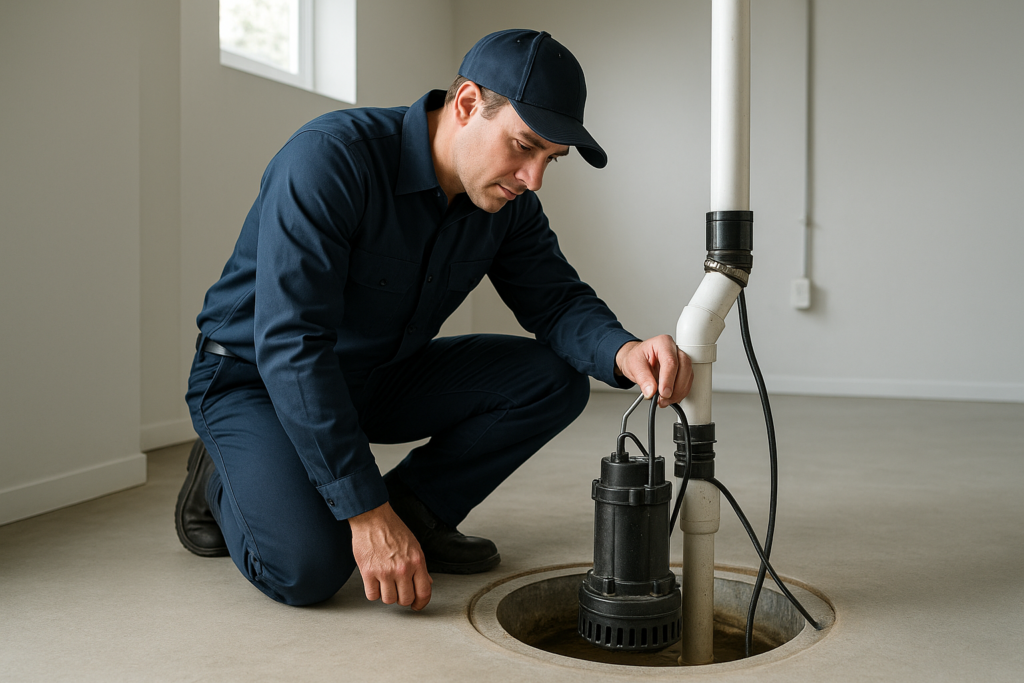
Quick Answer: Who Handles Sump Pump Repair in Columbus OH and Worthington?
If your sump pump has stopped working or is showing signs of failure, the best course of action is to call a professional plumbing team right away, especially during Columbus’s heavy summer rain season. Transit & Flow provides fast, professional sump pump repair throughout Columbus OH and Worthington, with trained technicians who can diagnose the problem, recommend repair or replacement, and protect your basement from flooding.
Introduction: Why Sump Pump Repair Is Urgent in Columbus and Worthington
Worthington homeowners know that summer in Central Ohio means sudden, intense storms. When heavy rain overwhelms the ground around your home’s foundation, your sump pump is the last line of defense between a dry basement and thousands of dollars in water damage. Unfortunately, many homeowners in Columbus OH and Worthington discover their sump pump has failed only when water is already pooling on the floor.
The combination of clay-heavy soils, older drainage infrastructure in parts of Worthington, and the seasonal intensity of July and August downpours makes sump pump reliability more than a convenience. It is a necessity. A sump pump that runs constantly, makes unusual noises, or fails to turn on is a warning that demands immediate attention.
If you suspect your sump pump needs repair or you are dealing with active basement water, call Transit & Flow at 614-333-8092 right now. Our team serves Worthington, Columbus, and surrounding communities with same-day and emergency response so you can protect your home before the next storm rolls in.
Key Takeaways
- A failing sump pump in the Columbus OH and Worthington area is a time-sensitive issue, especially during summer storm season.
- Warning signs include unusual sounds, constant running, visible rust, and water in the sump pit that is not being pumped out.
- Professional diagnosis is essential because sump pump failure can involve electrical, plumbing, and drainage components.
- Cost varies based on the type of pump, the nature of the failure, and whether repair or full replacement is needed.
- Transit & Flow offers professional sump pump repair and replacement with trained technicians who understand Columbus-area conditions.
- Never attempt electrical or submersible pump work yourself when standing water is present. Call a professional.
Primary Service: Sump Pump Repair and Replacement in Columbus OH and Worthington
A sump pump is a critical component of your home’s water management system. It sits in a sump pit, typically in the lowest point of your basement or crawl space, and activates when water levels rise above a certain threshold. The pump then moves water out and away from your foundation through a discharge line.
When a sump pump fails, the consequences can be immediate. In Worthington, where many homes were built in the mid-twentieth century with older drainage systems, a single summer thunderstorm can introduce hundreds of gallons of groundwater around a foundation in just a few hours. Without a functioning pump, that water enters your basement.
Transit & Flow provides comprehensive sump pump services including diagnosis of pump motor failures, float switch repair or replacement, check valve inspection, discharge line clearing, and full pump replacement when repair is no longer viable. Our technicians also evaluate whether your home would benefit from a battery-powered backup sump pump, which provides protection during power outages that frequently accompany severe storms in Central Ohio.
We serve homeowners throughout the Columbus OH metro area, with a strong focus on communities like Worthington, where older homes and mature tree roots near foundations create unique drainage challenges. Whether your pump is pedestal-style, submersible, or a combination system, our team has the training and equipment to restore it to reliable operation or recommend an upgrade that fits your home and budget.
Warning Signs and Symptoms of Sump Pump Failure
Unusual or Loud Noises
A sump pump should operate relatively quietly. If you hear grinding, rattling, or high-pitched whining, this often indicates a failing motor, damaged impeller, or debris caught inside the pump housing. These sounds should not be ignored, as continued operation can cause total motor burnout.
Constant Running Without Shutting Off
If your sump pump runs continuously even when there is no rain or rising water, the float switch may be stuck, the check valve may be malfunctioning, or the pump may be undersized for the volume of water entering the pit. Continuous running dramatically shortens the pump’s lifespan.
Pump Does Not Activate
If water is rising in the sump pit but the pump does not turn on, there may be an electrical issue, a failed float switch, or a burned-out motor. This is an emergency situation during active rain events and requires immediate professional attention.
Visible Rust or Corrosion
Rust on the pump body, discharge pipe, or connections is a sign of age and deterioration. Corroded components are more prone to failure and can contaminate basement air with iron particles.
Water in the Basement Despite an Active Pump
If your pump is running but water is still accumulating, the pump may have lost capacity, the discharge line may be clogged or frozen, or the check valve may be allowing water to flow back into the pit after each cycle.
Foul Odors from the Sump Pit
A sump pit that smells of mildew, sewage, or stagnant water may indicate that water is sitting in the pit without being effectively removed. This can signal pump failure or a blocked drain tile system.
Root Causes of Sump Pump Problems in Columbus OH and Worthington
Understanding why sump pumps fail helps homeowners make informed decisions about repair versus replacement. Common root causes in the Columbus area include:
- Power outages: Summer storms in Central Ohio frequently knock out power. Without electricity, a standard sump pump cannot operate. This is the number one cause of basement flooding during storms.
- Float switch failure: The float switch tells the pump when to turn on. Mechanical float switches can become stuck, tangled, or corroded over time.
- Overwhelmed capacity: Older homes in Worthington may have pumps that were sized for lighter water loads. Changes in surrounding development, tree removal, or drainage pattern shifts can increase the volume of water entering the sump pit.
- Clogged or frozen discharge lines: The pipe that carries water away from the house can become blocked by debris, ice, or sediment. This causes the pump to cycle without effectively removing water.
- Sediment and debris in the pit: Gravel, dirt, and small stones can enter the sump pit over time, clogging the intake screen and reducing pump efficiency.
- Age: Most sump pumps have an expected lifespan of seven to ten years. Pumps nearing or past this age are statistically more likely to fail, especially under heavy demand.
- Columbus clay soils: The heavy clay soil common throughout Franklin County and Worthington retains water near foundations longer than sandy or loamy soils, increasing the demand on sump pump systems.
What a Professional Sump Pump Technician Does
When a Transit & Flow technician arrives for a sump pump repair call in Worthington or elsewhere in Columbus OH, the process typically follows these steps:
- Visual and functional assessment: The technician inspects the sump pit, pump unit, float switch, discharge line, and check valve. They observe whether the pump activates correctly and listen for abnormal sounds.
- Electrical testing: Using professional tools, the technician checks the power supply, GFCI outlet, and pump motor for proper electrical function. This is a step homeowners should never attempt while standing near water.
- Discharge line inspection: The technician traces the discharge line from the pit to the exterior outlet, checking for blockages, backflow, or improper grading that could cause water to return toward the foundation.
- Diagnosis and recommendation: Based on findings, the technician provides a clear explanation of the problem and presents options for repair or replacement, including whether a backup sump pump would add valuable protection.
- Repair or installation: If repair is viable, the technician completes the work on site. If replacement is recommended, the technician discusses pump types, sizing, and battery backup options suited to your home.
Cost Variables for Sump Pump Repair in Columbus OH
The cost of sump pump repair or replacement varies based on several factors. Transit & Flow does not quote fixed prices in advance because every home and every situation is different. However, the following variables affect overall cost:
- Type of repair: A simple float switch replacement costs significantly less than a full motor rebuild or pump replacement.
- Pump type: Submersible pumps generally cost more to purchase and install than pedestal models. Combination systems with battery backup add additional cost but provide superior protection.
- Accessibility: If the sump pit is in a tight crawl space or requires removal of finished basement materials, labor time increases.
- Discharge line work: Clearing a clogged line is less expensive than rerouting or replacing a damaged discharge pipe.
- Backup system installation: Adding a battery-powered backup sump pump is an additional investment but is strongly recommended in the Columbus area given our storm and power outage patterns.
- Emergency versus scheduled service: While Transit & Flow strives to keep pricing fair for all calls, after-hours emergency visits may involve different scheduling considerations.
For a personalized estimate, call Transit & Flow at 614-333-8092 or visit https://transitflowplumbing.com/estimate/ to request a quote online.
When to Call a Professional for Sump Pump Issues
Not every sump pump concern is a do-it-yourself situation. In fact, most sump pump problems involve electrical components, standing water, or both, creating real safety hazards for untrained homeowners. You should call a professional immediately if:
- Water is actively rising in your basement or sump pit
- The pump makes abnormal sounds or vibrates excessively
- The pump does not turn on when the pit fills with water
- You smell sewage or strong mildew from the sump area
- Your basement has flooded and you are unsure whether the water has contacted electrical outlets or wiring
- You are experiencing a power outage during heavy rain and have no backup pump
In all of these scenarios, the safest and most effective response is to call Transit & Flow at 614-333-8092. Our trained technicians handle the electrical, mechanical, and plumbing elements so you do not have to put yourself at risk.
Safe Homeowner Checks You Can Do
While major sump pump repairs should always be left to a professional, there are a few safe, non-hazardous checks you can perform periodically:
- Listen for normal operation during rain: You should hear the pump cycle on briefly during heavy rain and then shut off. Silence or constant running are both cause for concern.
- Visually inspect the sump pit cover: Make sure the cover is in place and that no large debris has fallen into the pit.
- Check the exterior discharge outlet: Walk outside and locate where the discharge pipe exits your home. Make sure the outlet is not blocked by dirt, mulch, ice, or debris.
- Test the GFCI outlet: If your sump pump is plugged into a GFCI outlet, press the test and reset buttons to confirm the outlet is functioning. Do this only when your hands and feet are completely dry and you are not standing in water.
- Know the age of your pump: If you have documentation or can check the manufacturer date, note it. Pumps older than seven to ten years should be inspected by a professional annually.
If any of these checks reveals a concern, do not attempt to open or disassemble the pump. Contact a professional for safe evaluation.
Repair vs. Replace: How to Decide
One of the most common questions Worthington homeowners ask is whether their sump pump should be repaired or replaced. Here is a practical framework:
- Repair is typically appropriate when: The pump is less than five years old, the failure is limited to a single component like a float switch or check valve, and the motor is still strong and quiet.
- Replacement is typically recommended when: The pump is seven years old or older, the motor has failed or is significantly weakened, the pump has required multiple repairs in the past two years, or the pump is undersized for your home’s water management needs.
- Consider an upgrade when: You currently have no battery backup system, you have experienced basement flooding during power outages, or your home has undergone changes such as a finished basement that increases the cost of potential water damage.
A Transit & Flow technician will always present both options transparently so you can make the decision that is right for your home and budget.
Local Columbus and Worthington Context
Columbus OH and Worthington present unique conditions that affect sump pump performance and longevity. The region sits on heavy clay soils that retain water and direct it toward foundations rather than allowing it to percolate downward quickly. This means sump pumps in Worthington homes often work harder and more frequently than pumps in areas with sandier soil.
Summer is the peak season for sump pump failures in Central Ohio. July and August bring the most intense thunderstorms, and the combination of saturated ground from spring rains and sudden summer downpours creates maximum stress on residential drainage systems. Power outages during these storms compound the problem, making battery backup systems especially valuable for Worthington homeowners.
Many homes in Worthington were built in the 1950s through 1970s, and their original drainage tile systems and sump installations may be approaching or past their functional lifespan. Tree roots from Worthington’s mature residential canopy can also infiltrate drain tiles and discharge lines, reducing the effectiveness of the entire system.
The City of Columbus and surrounding municipalities occasionally issue guidance on stormwater management and sump pump discharge requirements. Homeowners should ensure their discharge lines are not connected to the sanitary sewer system, as this is prohibited by local code in most Central Ohio communities.
Frequently Asked Questions About Sump Pump Repair
What should I do first if my sump pump stops working?
First, check that the pump is plugged in and the GFCI outlet has not tripped. Do this only if the area is dry and safe. If the pump still does not activate, or if water is rising, call Transit & Flow at 614-333-8092 immediately. Do not attempt to open or repair the pump yourself, especially if standing water is present.
What should I avoid doing when my sump pump fails?
Never reach into a sump pit filled with water. Do not attempt to rewire or disassemble the pump motor. Avoid using extension cords or bypassing GFCI protection. If you smell sewage or see water near electrical outlets, evacuate the basement and call a professional.
What affects the cost of sump pump repair?
Cost depends on the type of repair needed, the age and style of your pump, accessibility of the sump pit, whether the discharge line needs attention, and whether you choose to add a backup sump pump system. Transit & Flow provides transparent estimates before beginning work.
When is a sump pump problem considered an emergency?
Any time water is actively rising in your basement, your pump has failed during a storm, or you see water near electrical wiring, it is an emergency. Heavy rain events in Columbus OH and Worthington can escalate flooding quickly. Do not wait for the storm to pass. Call for help immediately.
When should I call a professional instead of trying to fix it myself?
You should call a professional for any issue beyond a simple visual check or GFCI reset. Motor problems, float switch failures, discharge line blockages, and any situation involving standing water and electricity require trained technicians and proper equipment.
How can Transit & Flow help with my sump pump?
Transit & Flow provides complete sump pump diagnosis, repair, and replacement for homeowners throughout Columbus OH and Worthington. Our trained technicians arrive equipped to handle the most common and complex sump pump failures. We also install battery backup systems to protect your home during power outages. Call us at 614-333-8092 or visit our website to request an estimate.
Maintenance Tips to Keep Your Sump Pump Reliable
- Test your sump pump every three months by slowly pouring a bucket of water into the pit and confirming the pump activates and shuts off properly.
- Clean the sump pit annually to remove sediment and debris that can clog the intake screen.
- Inspect the discharge line outlet outside your home at least twice per year, especially before spring thaw and summer storm season.
- Replace the battery in your backup sump pump according to the manufacturer’s recommended schedule, typically every two to three years.
- Have a professional inspect your sump pump system annually, especially if the pump is more than five years old.
- Keep the area around the sump pit clear of storage items that could fall into the pit or obstruct access during an emergency.
Glossary of Key Terms
Sump Pump
A mechanical pump installed in a sump pit at the lowest point of a basement or crawl space, designed to remove accumulated water and prevent basement flooding by pumping it away from the foundation through a discharge line.
Backup Sump Pump
A secondary pump, typically battery-powered, that activates automatically when the primary sump pump fails or loses power. Backup sump pumps are especially important in areas like Columbus OH that experience frequent storm-related power outages.
Check Valve
A one-way valve installed on the sump pump discharge line that prevents pumped water from flowing back into the sump pit after the pump shuts off. A failed check valve causes the pump to cycle repeatedly and prematurely wear out.
Float Switch
The mechanism inside the sump pit that detects rising water levels and signals the pump to turn on. Float switches can be mechanical or electronic and are one of the most common components to fail over time.
Discharge Line
The pipe that carries water from the sump pump to a drainage point outside the home. Discharge lines must be properly graded, free of obstructions, and compliant with local municipal codes regarding stormwater discharge.
Protect Your Worthington Home: Call Transit & Flow Today
Your sump pump is the single most important defense your basement has against flooding, and summer in Columbus OH is the worst time to discover it is not working. Whether you are hearing strange sounds, noticing water where it should not be, or simply want peace of mind before the next storm, Transit & Flow is ready to help.
Our trained technicians provide thorough sump pump repair and replacement services for homeowners across Worthington, Columbus, and surrounding Central Ohio communities. We arrive prepared, explain your options clearly, and complete the work with the professionalism your home deserves.
Call Transit & Flow today at 614-333-8092 to schedule your sump pump inspection, repair, or replacement. You can also request an estimate online at https://transitflowplumbing.com/estimate/. Do not wait for the next storm to find out your pump is not working. Protect your home now.
